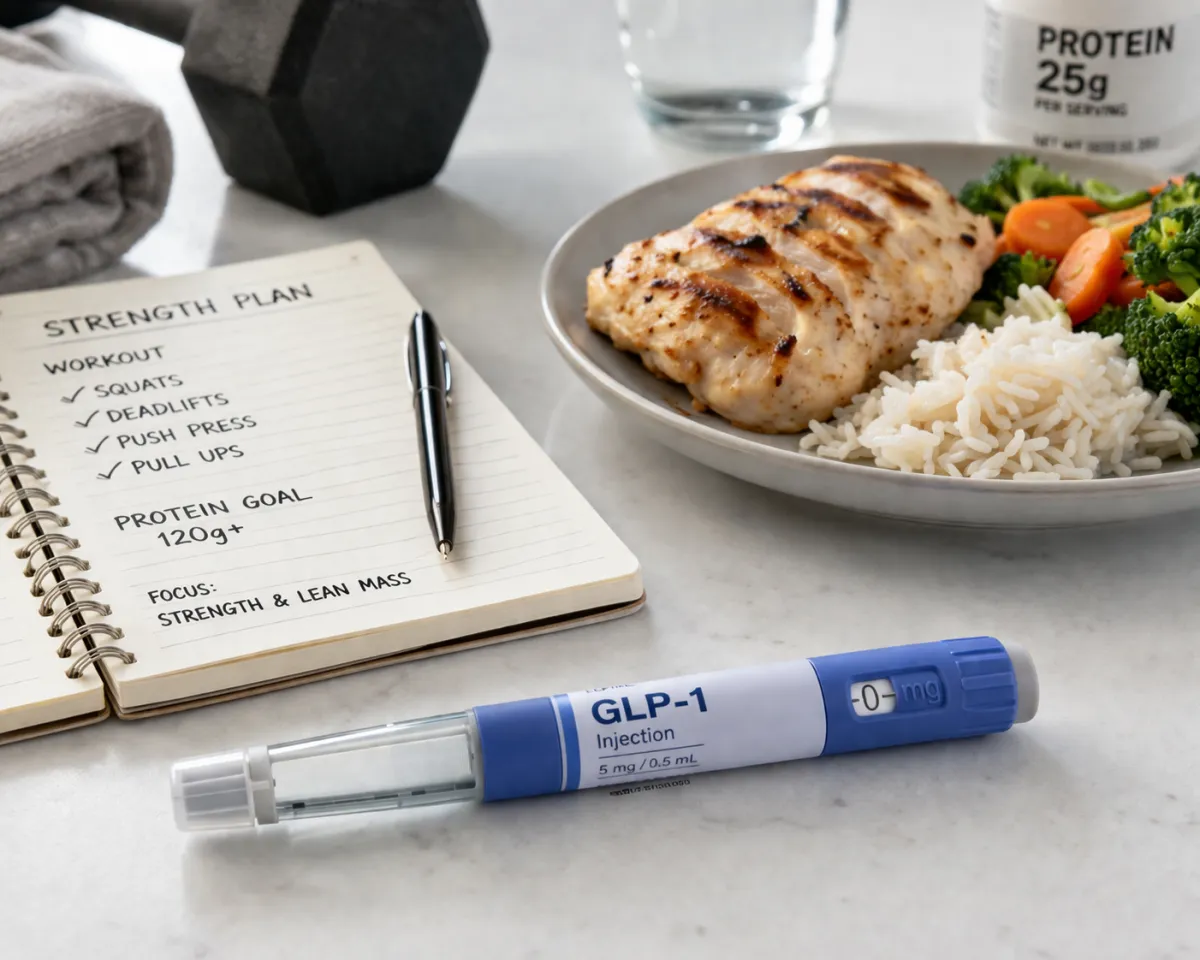
How to Lose Weight on GLP-1 Without Losing Muscle
We usually talk about GLP-1 medications like they are either magic or cheating. Usually both.
Ozempic, Wegovy, Mounjaro, Zepbound. These names are everywhere now. Social media treats them like a shortcut. Some people praise them. Others judge them. Most of the conversation misses the real issue.
The question is not whether GLP-1 works, but what kind of weight are you losing.
If you lose 15 kilos, but a big part of that is muscle, did you actually improve your health? Not really.
The real question is not how much weight you lose. It is what kind of weight you lose.
That is where I think people get distracted by the scale. They celebrate smaller numbers, looser clothes, compliments from friends. Meanwhile, strength drops, energy drops, posture gets worse, recovery slows down, and suddenly they feel lighter but weaker.
That is not success. As a coach, I care less about how much weight you lose and more about what you keep while losing it.
Muscle is not cosmetic. It is one of the biggest predictors of long-term health. It supports metabolism, protects joints, improves insulin sensitivity, and becomes even more important as you get older. Muscle is one of the reasons some people age well and others fall apart early.
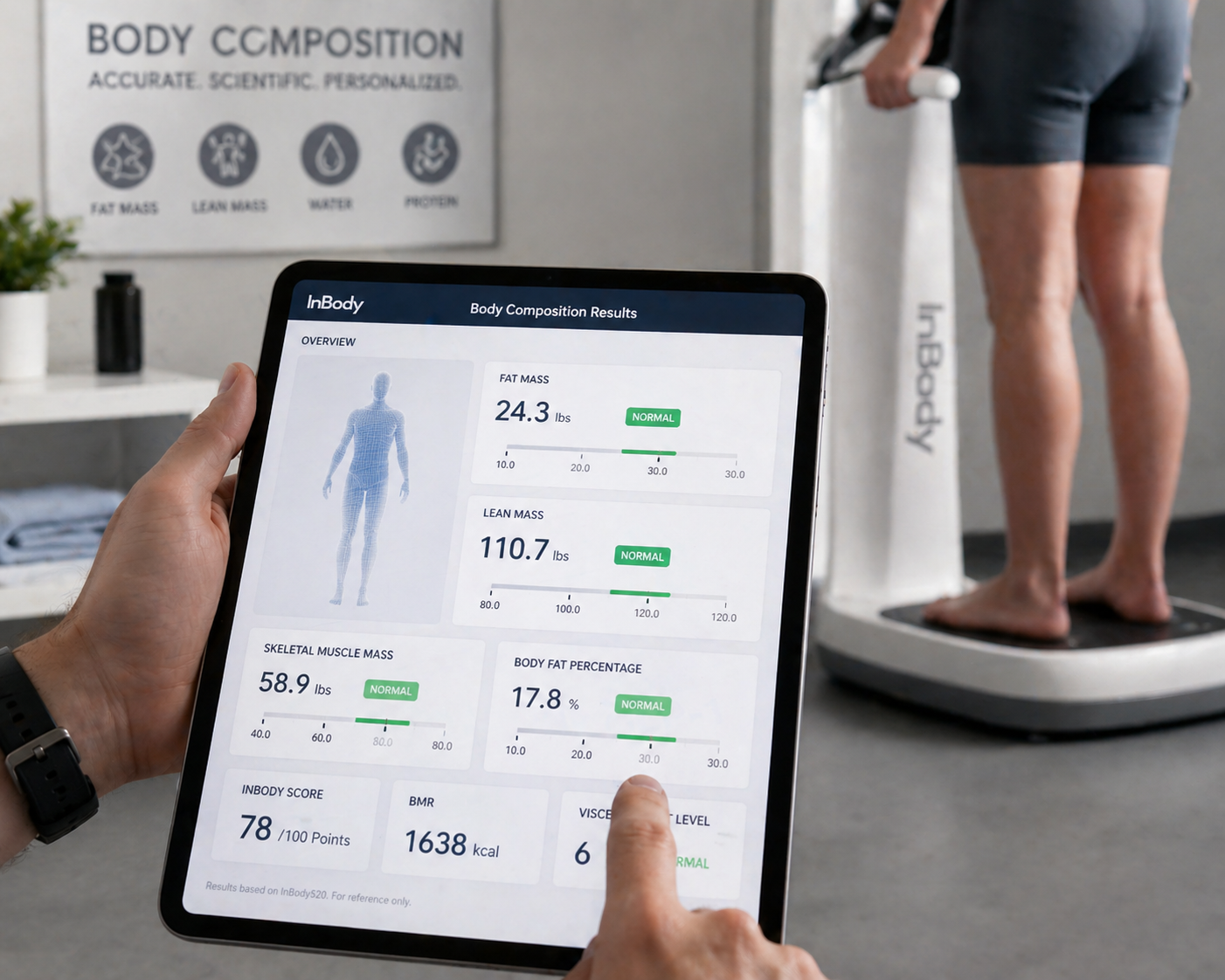
So when someone starts GLP-1 medication, my first concern is not the dose, it is whether they are training.
GLP-1 medications work by reducing appetite, slowing digestion, and improving blood sugar control. That helps people eat less and lose weight. The problem is the body does not politely choose fat first. It will also take lean tissue if you let it.
A 2025 meta-analysis of 22 randomized controlled trials found that around 25 percent of total weight loss on GLP-1 receptor agonists came from lean mass loss. In the STEP 1 semaglutide trial, close to 30 percent of the weight lost was lean tissue. Reuters recently reported that tirzepatide may lead to slightly more lean mass loss than semaglutide over time.
That matters, because when someone says they lost 20 kilos, the hidden question should be - How much strength did you lose with it? If the answer is a lot, that is not a win.
This is why I say the same thing to every client on GLP-1. If you are not strength training, you are gambling.
Walking is good. Cardio helps. But resistance training is the insurance policy.
If you are not strength training on GLP-1, you are gambling.
Your body needs a reason to keep muscle. That reason is load. Squats. Presses. Rows. Deadlifts. Carries. Pulling your own bodyweight around. Real resistance. Even three proper sessions per week can change the outcome.
The body responds to demand. If there is no demand, it will remove expensive tissue. Muscle is expensive. Your body is practical.
The second mistake is food. Ironically, appetite suppression creates a new problem. People stop eating enough protein. They say, “I’m just not hungry.”
That sounds harmless until they are eating 900 calories and 40 grams of protein a day. That is not smart fat loss. That is a slow collapse.
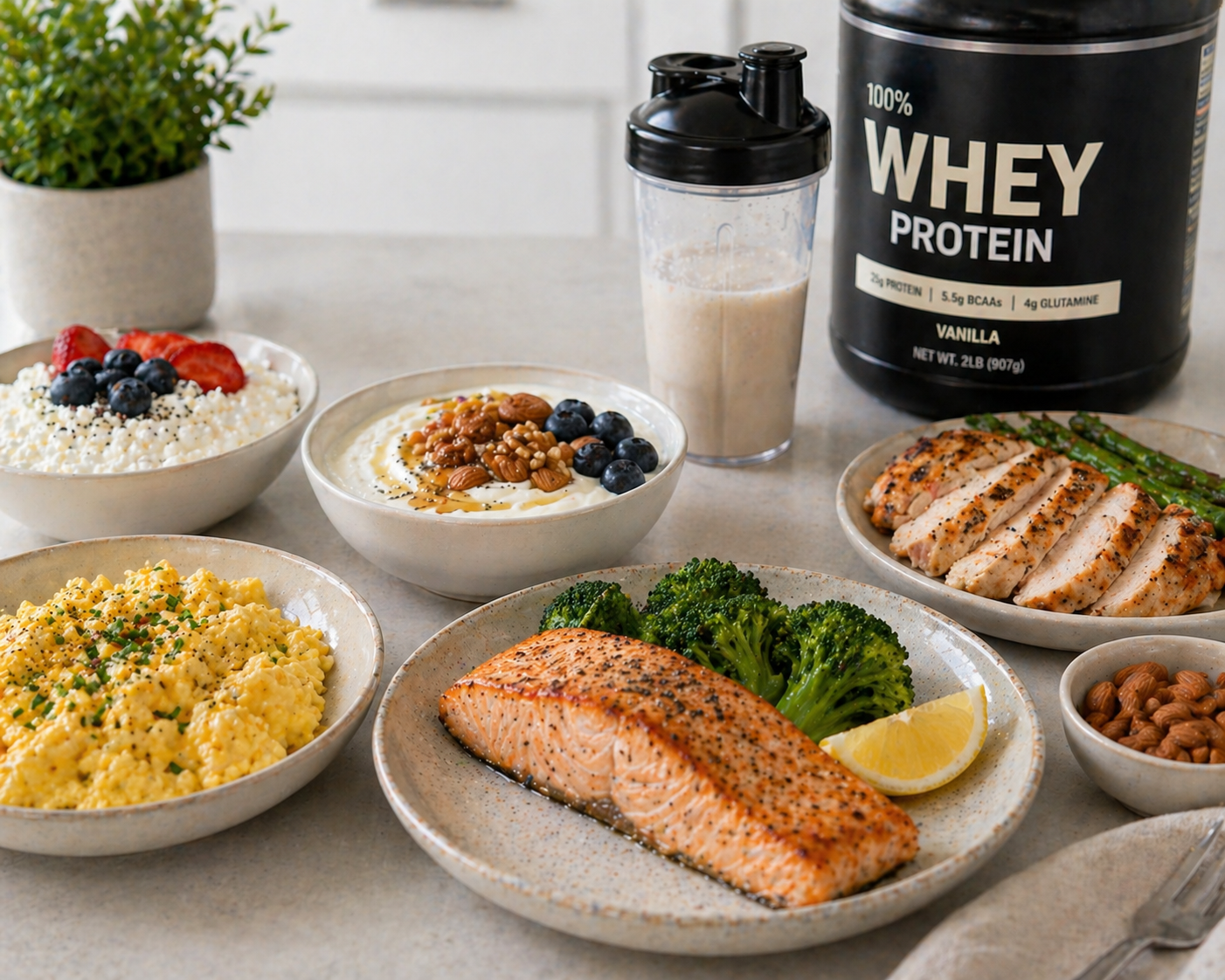
Protein becomes more important on GLP-1, not less. I always push protein first. Before calories, before meal timing, before supplements. Protein first.
Most people trying to preserve muscle during fat loss should aim around 1.6 to 2.2 grams per kilogram of bodyweight depending on training, age, and recovery demands. This matters even more for adults over 40 and for women dealing with peri-menopause or menopause, where muscle loss can accelerate quietly.
Simple foods work best. Eggs. Greek yogurt. Fish. Lean meat. Whey isolate. Meals you can repeat without thinking.
Another mistake is chasing speed. Fast weight loss looks impressive online, but it is often expensive in the long run. I would rather see someone lose slowly while getting stronger than drop weight fast while their shoulders shrink and their back starts hurting.
The goal is not lighter. The goal is stronger, leaner, healthier.
People also ask how to start Ozempic. Very few ask how to stop it. That is backwards.
A randomized trial showed that after stopping semaglutide, participants regained around two-thirds of their previous weight loss within a year. That should tell you everything. Medication is not the strategy. It is one tool inside the strategy. If habits, strength, food structure, and recovery are missing, the rebound is not surprising. You cannot outsource discipline to an injection.
You can support the process, but you cannot replace it.
I do not think GLP-1 is cheating. I also do not think it is magic. For the right person, under medical supervision, it can be useful. For the wrong person, it becomes expensive avoidance.
What matters to me is: Can you move better? Can you train harder? Can you keep the result? Can you stay strong five years from now?
That is the real test. The goal is not to become lighter. The goal is to become harder to kill.
That is health. That is longevity. That is the point.
If you want a simple framework for eating enough protein without overcomplicating your diet, read my guide on protein first nutrition.
Sources
Reuters - Lean mass loss comparison between tirzepatide and semaglutide (2026)
Journal of Clinical Endocrinology meta-analysis summary via ScienceDirect - 22 RCTs on GLP-1 and lean mass loss
STEP 1 semaglutide trial lean mass discussion
JAMA follow-up on semaglutide discontinuation and weight regain summary
Health.com - Muscle preservation during GLP-1 use and resistance training guidance