Online Personal Training vs In-Person Training. Which One Works Better?
I spent most of my career coaching in person.
Gym floors.Home sessions.
Days shaped around other people’s schedules.
That experience taught me how bodies move. It also taught me something more important. Results are not driven by proximity. They are driven by consistency.
Why in-person coaching works
In-person personal training works. I still believe that.
It is especially effective for learning movement, understanding positions, and building confidence early on. Real-time feedback matters when you are unsure of your body or nervous under load.
For many people, this structure is exactly what gets them started.
Where the struggle starts
Traditional personal training is built around sessions.
You book an hour. You train in that hour.
You get feedback in that moment.
Outside of it, you are on your own.
Over time, two limitations tend to show up. Frequency and cost.
In-person training is priced per session. Once or twice per week is common. As soon as people try to train more often, cost becomes a real factor. Packages end. Sessions get spaced out to make them last. Training frequency drops.
Not because motivation disappeared but because the model becomes hard to sustain long term.
And when it comes to lasting results, frequency matters more than intensity.
Why frequency changes everything
Training once or twice per week can maintain progress for a while. Real change usually happens when training becomes more frequent.
Five sessions per week is where strength improves, body composition shifts, and movement starts to feel easier. That kind of consistency is difficult to achieve when every session is tied to cost and scheduling.
How online coaching changes the structure
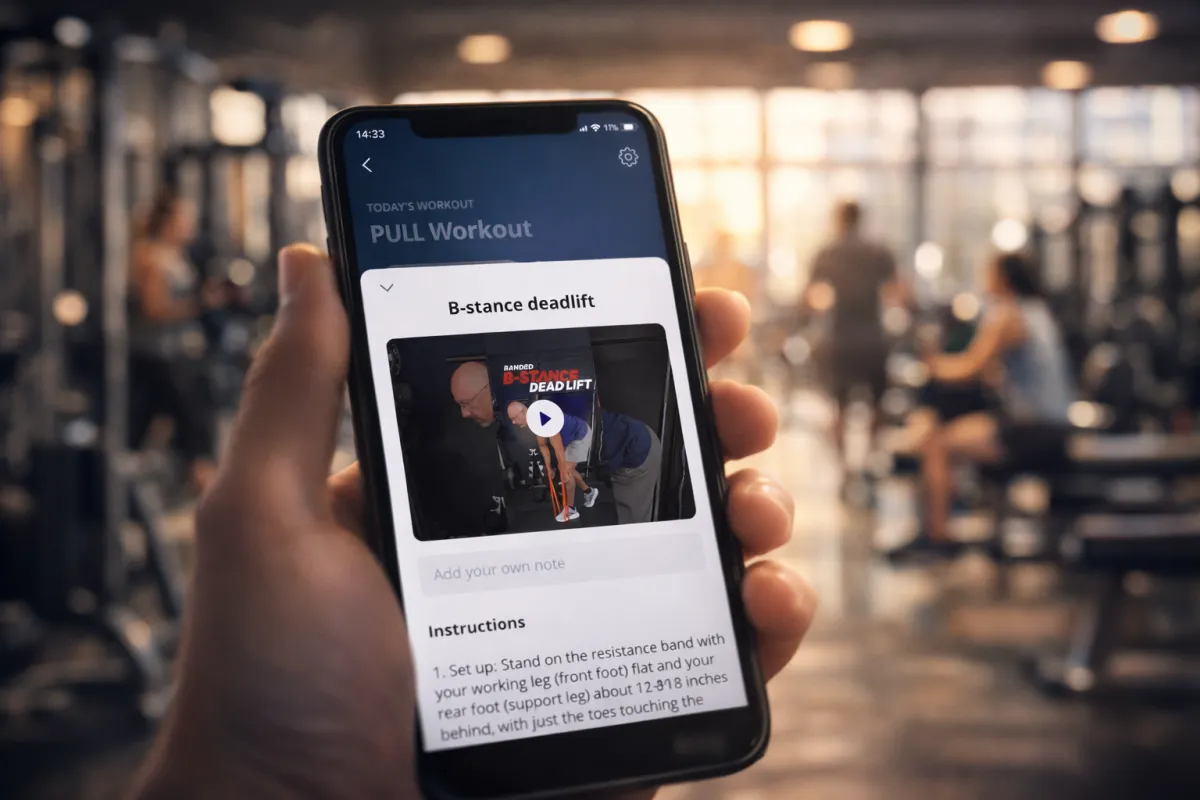
Online fitness coaching shifts the focus from sessions to systems.
You are not paying for someone to stand next to you for an hour. You are supported across your entire week. Training is planned around your schedule. Progression is clear. Adjustments are made when sleep, stress, or energy change. Feedback is ongoing, not isolated.
This allows many people to train more often without increasing monthly cost. That difference alone changes outcomes.
Accountability without dependence
Accountability is often misunderstood as someone watching you lift.
That can help early on. Long term, accountability comes from clarity. Knowing what to do. Knowing why you are doing it. Knowing how to adjust when things are not perfect.
Good coaching builds competence, not dependence.
Online coaching encourages that by teaching people how to train on their own, manage fatigue, and stay consistent even when life interferes.
Reallocating coaching effort
Online coaching also changes where the coach’s time goes.
Less time supervising sets.
More time designing programs.
More time reviewing technique.
More time adjusting load and recovery.
That shift often improves coaching quality rather than reducing it.
Choosing the right tool
So, which one works better? There is no correct answer.
In-person training will always have value, especially early on. Online coaching is not a replacement. It is an alternative structure designed to support consistency, frequency, and long-term habits.
The format matters less than people think.
The structure matters more than they expect.
If you want this kind of structure applied to your own training, learn more about online personal training.